
Upland, CA · Garage Door Service
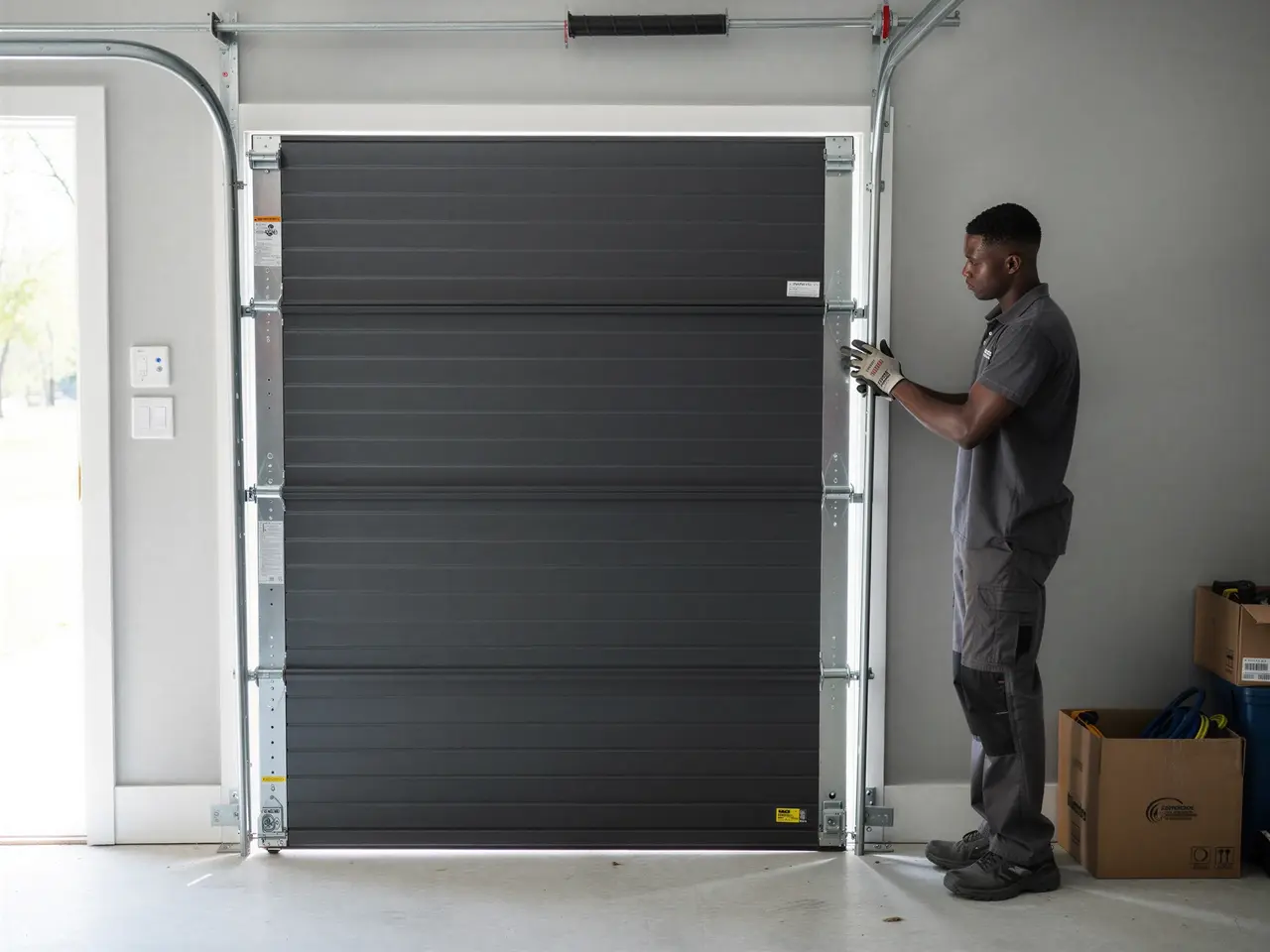
Garage Door Installation for Upland's Older Housing Stock
Upland homes built mostly in the 1960s and 70s often need a full door swap, not a patch job. See why installation beats repair here and what to expect.
- Repairs & new doors
- Springs & openers
- Serving 4 nearby communities
Why It Happens Here
Most of the garages we go into around Upland sit on houses built between 1956 and 2007, with the bulk of that stock dating to the 1960s and 70s. That matters more than people think. A door from that era was built to a track and spring spec that nobody manufactures the same way now, and the wood or thin-gauge steel panels common then just weren't engineered for 50-plus years of daily cycling. When a homeowner calls us about a door that "won't open right," the root issue is usually age, not a single broken part. The hardware has worn past the point where swapping one piece buys you more than a year or two.
The heat here plays a role too. Upland sits in a moderate-heat band, and that steady warm stretch each year works on wood doors especially hard - panels dry out, swell, and shift slightly out of square over decades. On steel doors it shows up as rusted or seized rollers and tracks that have slowly bent out of true. None of this is dramatic. It's slow wear that adds up until the door simply isn't worth saving.
The Complications
The complication with installing a new door on a house this old is almost never the door itself - it's what's behind the opening. Framing settles over 50-plus years. Openings that measured true in 1968 are often out of square by enough that a stock door won't sit right without shimming or minor carpentry. On some of the older 1960s-era garages we've opened up, the header or jamb has shifted just enough to need attention before the new door goes in at all.
Wiring is the other sticking point. A lot of these houses were never wired for a modern opener circuit, so an install sometimes means coordinating an outlet or circuit addition, which is outside what a door install alone covers. We'll tell you up front if that's the case rather than quietly working around it. We also won't install a new door on a frame that isn't structurally sound - if the jamb's rotted or the header's compromised, that repair has to happen first, and we'll say so plainly instead of hanging a door that'll fail in a year.
How It Shows Up
The signs line up with the age of the stock. Homeowners describe a door that's gotten heavy to lift by hand, one that shudders partway up the track, or a door that looks straight but won't seal flush at the bottom anymore - classic symptoms of a frame that's shifted a little out of square over the decades. On original wood doors from the 1960s-70s wave, you'll often see panel warping along the bottom third, where years of moderate heat cycling have dried and cupped the wood.
On steel doors from the same era, it's usually track misalignment and a spring that's been re-tensioned one too many times rather than replaced outright. We also hear from owners who've just had a spring repair done elsewhere and are now looking at the whole door and opener, since once you're past a certain age, each new fix buys less time than the last one did.
The DIY Question
A lot of homeowners ask whether they can handle the install themselves, especially with online kits priced to look easy. For a straightforward opening with no framing issues, that's a reasonable question. But torsion spring tension is genuinely dangerous to set without the right bars and experience - it's the one part of this job we don't recommend anyone attempt solo, full stop, regardless of how handy you are.
Where DIY makes less sense here specifically is the framing check. On a house from the 1960s-70s wave, you often can't tell an opening is out of square until you're measuring it against a new door, and a misjudged install on a shifted frame means a door that binds or won't seal within months. We're straight with people: if your opening is square and your wiring's in place, a lot of the labor isn't rocket science. If either of those is in question, that's where a bad DIY install costs more than the install would have.
Frequently asked questions
How do I know if I need a new door instead of a repair in Upland?
If your house is part of the 1960s-70s wave common around Upland and you're on your second or third spring or roller repair, replacement usually makes more financial sense than another patch. We'll tell you honestly which side of that line your door is on rather than selling a repair that won't hold.
Does Upland's climate affect which door material I should install?
Upland sits in a moderate-heat band, which is hard on wood doors over time - panels dry and warp. Steel or composite doors hold up better through repeated heat cycling, though we size the recommendation to your specific garage, not a blanket rule.
Will my garage opening need work before a new door goes in?
On older Upland homes, framing can shift slightly out of square over 50-plus years. We check this before quoting, and if the jamb or header needs attention first, we tell you before any installation work starts.
Can I install a garage door myself?
Parts of the job are doable if your opening is square and wiring is in place. Torsion spring tension is the exception - it's genuinely dangerous without the right tools and experience, and we don't recommend attempting that part solo.
Book garage door service in Upland
Call now or request a quote - tell us what the door is doing and where you are.